Purley Oaks Estate Gardening Services for Communal Greens
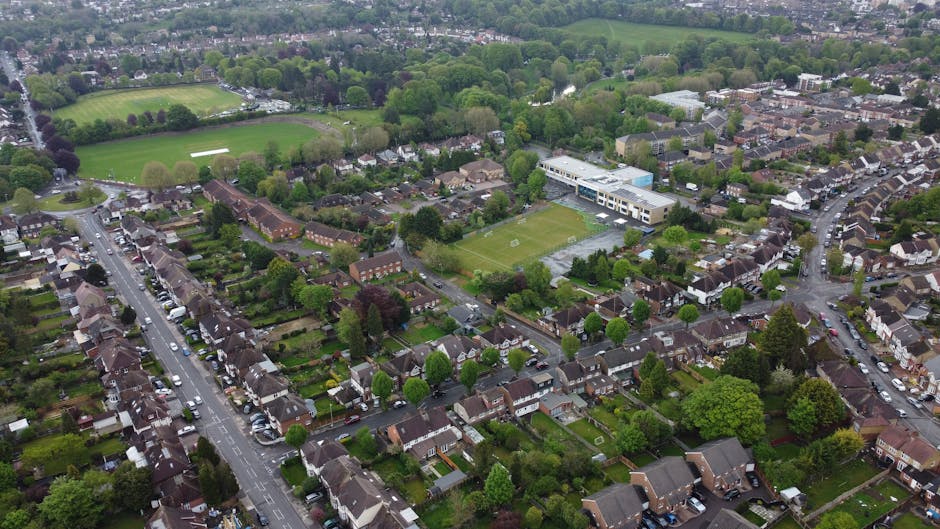
If you manage, live on, or look after a Purley Oaks estate, you will already know how quickly communal greens can slip from "pleasant shared space" to "messy patch that everyone notices." One windy week, a few missed cuts, some leaf fall, and suddenly the whole place feels tired. Purley Oaks estate gardening services for communal greens exist to stop that slide, keeping shared lawns, borders, paths, hedges, and small planted areas tidy, safe, and genuinely welcoming.
This guide explains what estate gardening for communal greens usually includes, why it matters, how a good service works in practice, and what to look for when deciding on the right arrangement. We'll also cover common mistakes, useful checklists, and the sort of practical details residents, managing agents, and freeholders often need but don't always get told. Truth be told, the difference between "managed" and "looked after" is often in the small stuff.
For a broader overview of what a professional team can cover, you may also find the services overview useful, and if you want to understand the company behind the work, take a look at the about us page.
Table of Contents
- Why communal green care matters
- How the service works
- Key benefits and practical advantages
- Who needs this and when it makes sense
- Step-by-step guidance
- Expert tips for better results
- Common mistakes to avoid
- Tools, resources and recommendations
- Law, compliance, standards, and best practice
- Options and comparison table
- Case study or real-world example
- Practical checklist
- Conclusion
- Frequently asked questions
Why Purley Oaks Estate Gardening Services for Communal Greens Matters
Communal greens do more than make an estate look neat. They shape first impressions, affect how residents use the space, and can even influence whether people feel proud of where they live. A patchy lawn, overgrown edges, or untidy planting beds can make a shared space feel neglected, even if the buildings themselves are well cared for.
That matters because communal greens are used by lots of people, often in different ways. Children cut across the grass. Dog walkers use the paths. Older residents may want a calm view from a window or bench. Visitors judge the estate before they ever step inside a front door. So yes, garden care is visual, but it's also social. It quietly tells people whether the place is looked after.
There is also the practical side. Grass that is allowed to grow too long becomes harder to maintain. Hedges can block sightlines and make paths feel narrow. Fallen leaves can create slip hazards. Damp shade can encourage moss. Left too long, little issues become the kind that take time and money to sort out. A regular, planned service prevents that build-up, which is usually cheaper and less stressful than reacting after the fact.
Expert takeaway: communal greens work best when they are managed as living shared assets, not treated as a "mow it once in a while" job. Consistency wins.
In our experience, residents notice reliability more than drama. A crisp edge, a clipped hedge, clear paths, and tidy boundaries. Nothing flashy. Just calm, orderly, and easy to live with.
How Purley Oaks Estate Gardening Services for Communal Greens Works
Most estate gardening services begin with a site review. That is the point where the team looks at the size of the communal greens, how they are used, what plants are already there, where the problem areas are, and what frequency of maintenance makes sense. A good review also considers access, water points, waste collection, parking for equipment, and whether there are residents who need extra consideration around noise or mobility access.
Once the site is understood, the work is usually organised into a repeating maintenance cycle. For communal greens, that might include lawn mowing, edging, hedge trimming, weed control, leaf clearance, pruning of shrubs, litter pick-up, and seasonal refreshes. The exact mix depends on the estate, but the aim is always the same: keep the space attractive, safe, and manageable over time.
Some estates need a simple routine. Others need a more layered approach, especially if there are ornamental beds, young trees, or shared seating areas. If your greens include decorative features, hard landscaping, or timber elements, services like landscape gardening, landscaping, or even decking services may become part of the wider plan rather than a separate one-off job.
Then there is the question of how work is scheduled. On some estates, gardeners attend weekly during the growing season and less often in winter. On others, attendance is based on conditions and plant growth. The best schedules are not copied from somewhere else. They are built around what the green space actually needs. Sounds obvious, but this is where a lot of maintenance goes wrong.
There should also be clear communication. Residents often appreciate a simple notice before heavier work begins, especially if there will be noise from machines, temporary access restrictions, or waste removal. A tidy job is good. A tidy job that people understand is better.
Key Benefits and Practical Advantages
The biggest benefit is simple: the estate feels cared for. But there's more to it than appearance.
- Better presentation: neat communal greens improve the overall look of the estate immediately.
- Safer shared spaces: regular cutting and clearance reduce trip hazards, obscured paths, and slippery buildup from leaves or debris.
- Long-term cost control: routine maintenance usually prevents larger remedial jobs later on.
- Healthier planting: shrubs, hedges, and lawns tend to perform better when they are maintained consistently.
- Less resident frustration: people are far less likely to complain about untidy shared areas when the standard stays steady.
- Better use of space: communal greens become usable rather than merely decorative.
There is also a quieter benefit that doesn't get enough attention. Well-kept communal greens can reduce the "nobody owns this" feeling that sometimes creeps into shared estates. When the grass is maintained and the borders are clear, residents tend to treat the space with a little more care too. It's not magic. Just psychology, really.
For some estates, a dedicated maintenance plan also supports sustainability. Healthy lawns and shrubs are often easier to manage when waste is collected and green material is handled responsibly. If that matters to your estate, it is worth asking how the team approaches this and whether their working methods align with recycling and sustainability practices.
Who This Is For and When It Makes Sense
Purley Oaks estate gardening services for communal greens are a good fit for anyone responsible for shared outdoor areas. That usually includes managing agents, resident management companies, freeholders, housing associations, landlords with multiple dwellings, and committees of residents who are tired of trying to coordinate ad hoc jobs between themselves.
It also makes sense for smaller developments. Not every estate needs a huge contract. Sometimes a compact shared lawn and a few borders are enough to justify a proper routine. If several households use the same space, or if the green sits at the front of the development and shapes the first impression, it is usually worth getting it professionally managed.
Signs that it may be time to act include:
- grass is growing unevenly or getting too long between cuts
- hedges are beginning to overhang paths or obscure visibility
- leaf fall is staying in place for too long
- residents keep reporting weeds, litter, or untidy edges
- the green looks fine in spring but slips badly by late summer or autumn
- there is no agreed standard, so every complaint starts from scratch
Sometimes the trigger is not visible damage. It's fatigue. One resident does a bit. Another emails the managing agent. Someone else assumes "the council must deal with it." Meanwhile the grass keeps growing. That kind of drift is common, and it is exactly why a scheduled service helps.
Step-by-Step Guidance
Here is a practical way to approach communal green maintenance without overcomplicating it.
- Assess the site properly. Walk the greens in daylight and note the actual condition, not the ideal version in your head. Look at grass, hedges, paths, planting beds, tree lines, and any hidden problem spots.
- Set a realistic standard. Decide what "well maintained" means for this estate. A decorative front green may need a sharper finish than a more informal shared lawn.
- Choose the right maintenance frequency. Weekly, fortnightly, seasonal, or mixed scheduling may all be appropriate depending on growth and use.
- Agree responsibility for waste and access. Clarify who opens gates, where cuttings go, and whether any parking or key access is required.
- Build the routine around seasons. Spring growth, summer mowing pressure, autumn leaf fall, and winter tidying all need different attention.
- Review after the first few visits. If the green is still getting too shaggy or certain areas are being missed, adjust the plan early rather than waiting months.
A good maintenance plan is a living thing. It should be firm enough to keep standards up, but flexible enough to respond when the site changes. New planting, heavy rain, or a very dry spell can all alter what the space needs. That's just how gardens are.
If the estate also needs deeper tidying before a maintenance cycle begins, a one-off clearance can help reset the area. In those cases, garden clearance can be a useful starting point before regular care takes over.
Expert Tips for Better Results
Small improvements make a surprisingly big difference on communal greens. A few practical habits can lift the whole result without increasing complexity too much.
- Keep mowing lines consistent. Uneven cut patterns make a green look untidy even when the grass is technically short enough.
- Don't ignore edges. Edging around paths and borders is one of those details people notice straight away.
- Trim hedges before they spread. A hedge that is trimmed regularly is easier to manage than one that has to be "rescued." For estates with boundary planting, hedge trimming is often central to the overall look.
- Clear leaves early. Wet leaves on grass and paths can become a nuisance fast. Autumn work should not be left until the last minute.
- Watch drainage and shade. If one corner always turns thin, mossy, or muddy, the cause may be waterlogging or shade, not poor mowing.
- Keep residents informed. A simple message before heavier pruning or machine work avoids a lot of grumbling.
And here's a slightly boring but very useful tip: keep notes. Which area dries out first? Which hedge grows fastest? Which path gets leaf build-up? Once you know the pattern, maintenance becomes much smarter. Not glamorous. Very useful.
For estates with larger grassed areas, regular lawn mowing is usually the backbone of the whole programme. Get that right and the rest becomes easier.
Common Mistakes to Avoid
Shared garden spaces are easy to mismanage because everyone assumes someone else is handling them. That's where the trouble starts.
- Using a reactive-only approach: waiting until the space looks bad usually means more work later.
- Setting the wrong frequency: too infrequent and the estate looks neglected; too frequent and you may be paying for visits you don't need.
- Ignoring seasonal changes: spring growth and autumn leaf fall are not minor details, they change the whole workload.
- Focusing only on grass: borders, hedges, trees, and waste matter too.
- Not clarifying responsibilities: confusion over keys, access, or waste disposal causes delays and extra costs.
- Choosing on price alone: the cheapest quote is not always the best value if the standard is inconsistent or communication is poor.
Another common issue is underestimating the impact of neglected trees and large shrubs. If branches are encroaching, shading the green, or causing safety concerns, it may need specialist attention rather than a quick tidy. In those cases, a service such as tree lopping and removal may be relevant, though it should always be assessed carefully and handled sensibly.
Let's face it, communal green spaces are a bit like shared kitchens. Everyone appreciates them when they're clean, but very few want to be the person doing the deep clean every time. A dependable schedule fixes that.
Tools, Resources and Recommendations
Professional estate gardeners use a mix of tools depending on the site. You do not need to know every machine by name, but it helps to understand the basics when discussing a quote or maintenance plan.
| Tool or resource | What it helps with | Why it matters on communal greens |
|---|---|---|
| Pedestrian or ride-on mower | Lawn cutting | Keeps shared grass even and presentable |
| Hedge trimmer | Boundary and feature hedge maintenance | Prevents overgrowth and improves sightlines |
| Strimmer or brushcutter | Edges, awkward corners, around posts | Useful where mowers cannot reach cleanly |
| Leaf blower or collector | Leaf and debris removal | Helps keep paths safer and lawns healthier |
| Hand tools | Pruning, weeding, detail work | Important for a tidy finish around planting beds |
| Site notes or maintenance log | Planning and record-keeping | Makes service more consistent over time |
Recommended resources are less about gadgets and more about process. A site plan, a simple schedule, a named contact for access, and a clear scope of works will do more for the estate than a fancy spreadsheet ever will. Though if you like spreadsheets, fair enough, they do have their charms.
It can also help to compare what is included in regular maintenance with any one-off improvement work. If the greens need redesigning, reshaping, or structural changes, a service like landscape gardening may be the better fit. If the aim is simply to maintain what is already there, routine care is usually enough.
Law, Compliance, Standards, and Best Practice
For communal greens, compliance is mostly about safe working, sensible access, and respectful management of shared property. It is not usually a dramatic legal minefield, but it does deserve care. Estate managers should expect contractors to work with good health and safety practice, appropriate insurance, and a clear understanding of how to operate safely around residents and visitors.
That means risk should be thought through before work starts. Are there children using the area? Are there uneven surfaces? Is machinery being used near parked cars or footpaths? Could cuttings block a route temporarily? These may sound obvious, but good planning is exactly what prevents small incidents from becoming awkward ones.
It is also wise to ask how waste is handled, how tools are secured on site, and how the team communicates any safety concerns. If the estate has multiple stakeholders, a clear complaints route can be useful too, especially if there is ever confusion over what work was carried out. The presence of an health and safety policy and an insurance and safety page can be reassuring because it shows the company has thought beyond the mower-and-go approach.
Best practice also includes data and payment handling. If you are requesting quotes, agreeing invoices, or sharing contact details, it is sensible to understand how the business handles those matters. For reference, the company's payment and security information and privacy policy are worth reviewing before you proceed.
Finally, if sustainability matters to your estate, ask how green waste, clippings, and recyclable materials are managed. A responsible maintenance approach should not just look tidy; it should be tidy in how it is run too.
Options, Methods, or Comparison Table
Different estates need different maintenance models. Here is a straightforward comparison of the most common approaches.
| Approach | Best for | Pros | Watch-outs |
|---|---|---|---|
| One-off tidy-up | Overgrown or neglected greens | Quick reset, useful starting point | Does not prevent future decline |
| Routine maintenance contract | Established communal areas | Consistent standard, easy to manage | Needs a clear scope and frequency |
| Seasonal service | Smaller or slower-growing sites | Lower cost, flexible schedule | Can miss fast growth periods if not reviewed |
| Mixed maintenance plus improvement work | Sites needing some redesign or repair | Combines upkeep with upgrades | Needs tighter planning and clearer budget control |
In practical terms, a routine maintenance contract is usually the best fit for communal greens that people see and use every day. A one-off tidy-up is useful if the space is already in poor shape, but it is the follow-on maintenance that keeps it looking right.
For some estates, the most sensible route is a staged plan: first clear it, then maintain it, then improve it. That sequence is often calmer, cheaper, and easier to agree.
Case Study or Real-World Example
Picture a small Purley Oaks estate with a central lawn, a few shrub beds, two hedges along the edge, and a path that residents use throughout the day. In early spring, the grass is fine, but by June the mowing intervals have slipped. By August, one hedge is beginning to intrude on the path, weeds have crept into the beds, and leaves from nearby trees are collecting in the corners by the time autumn arrives. Nothing dramatic. Just gradual decline.
The turning point is usually not a disaster. It is a complaint, a messy photo, or a resident saying, "It used to look lovely here." Fair enough too. Nobody wants a shared green to look forgotten.
In that sort of scenario, a sensible estate gardening plan would usually start with a tidy-up: cut back growth, clear debris, sharpen the edges, and remove obvious waste. Then the service would move to a regular routine with mowing, hedge work, light pruning, and leaf collection built around the seasons. If there were any neglected corners, the team might also recommend additional work from the garden maintenance side of the service rather than leaving those corners to quietly deteriorate again.
The result is not just a prettier shared green. It is a space people walk through without sighing, a view from the windows that feels calmer, and a committee that no longer has to field the same complaint every month. Small victory, but a real one.
Practical Checklist
Use this checklist when you are planning or reviewing communal green maintenance for an estate.
- Walk the site and note the actual condition of lawns, hedges, borders, and paths.
- Decide who is responsible for approving work and handling access.
- Set a realistic maintenance frequency for each season.
- Clarify what is included: mowing, edging, hedge trimming, weeding, leaf clearance, and waste removal.
- Check whether any trees, large shrubs, or safety issues need specialist attention.
- Ask how the team handles waste, recycling, and sustainability.
- Confirm insurance, safety procedures, and communication methods.
- Make sure residents get advance notice if work may affect access or create noise.
- Review the plan after the first cycle and adjust where needed.
- Keep a simple record of what was done and when.
Quick summary: if a communal green is used by lots of people, it needs a routine, not random attention. That's the simplest way to keep standards high without creating extra work later.
Conclusion
Purley Oaks estate gardening services for communal greens are about much more than keeping grass short. They protect the look, safety, and day-to-day feel of a shared space that lots of people rely on, often without thinking about it until something goes wrong. The best estates are not necessarily the most elaborate ones. They are the ones that feel consistently cared for.
If you get the scope right, keep the schedule realistic, and work with a team that understands communal spaces, the results are usually steady, reassuring, and easy to live with. Not flashy. Just properly done. And honestly, that's what most residents want.
If you are ready to take the next step, explore the wider services overview and use the contact page to start a straightforward conversation about your estate's needs.
Get a free quote today and see how much you can save.
Little by little, a shared green can become the kind of place people are quietly glad to come home to.
Frequently Asked Questions
What are communal greens in an estate setting?
Communal greens are shared outdoor areas used by residents, visitors, and sometimes service teams. They often include lawns, small planting beds, paths, hedges, and other visible green spaces that need regular care.
How often should communal greens be maintained?
That depends on growth, usage, and the season. Many estates need more frequent attention during spring and summer, with less frequent but still regular work in autumn and winter. A site-specific schedule is usually best.
What does estate gardening usually include?
It commonly includes mowing, edging, hedge trimming, weed control, leaf clearance, pruning, litter collection, and general tidying. Some sites also need minor landscaping or clearance work from time to time.
Is a one-off tidy-up enough for a communal green?
It can help if the area is overgrown or neglected, but a one-off tidy-up will not keep standards up for long. Most communal greens benefit from a regular maintenance plan after the reset.
How do I know if our estate needs professional help?
If residents keep commenting on mess, if the space is hard to keep up with, or if there is confusion over who should maintain it, professional help is usually worth considering. A consistent routine saves a lot of faff later.
Can gardening services also deal with hedges and shrubs?
Yes. Hedge trimming and shrub maintenance are commonly part of communal green care. These jobs matter because overgrowth can quickly affect paths, sightlines, and the overall appearance of the estate.
What should be included in a maintenance quote?
A proper quote should explain the scope of work, visit frequency, what is excluded, how waste is handled, and any special access requirements. It should be clear enough that you are not left guessing.
How do we compare different gardening service options?
Look at reliability, scope, communication, safety, and whether the service is actually suited to communal spaces. Price matters, of course, but value comes from consistency and clarity as much as from the number on the quote.
Do communal greens need special safety consideration?
Yes, because they are shared spaces. Work should be planned around residents, children, visitors, parked cars, footpaths, and any uneven ground. Good contractors should think about this before they start.
What if our communal green needs more than maintenance?
If the area needs reshaping, improved drainage, new planting, or hardscape changes, then broader landscaping work may be more appropriate. Some estates start with maintenance and then move into improvement work once the basics are under control.
How can sustainability be built into estate gardening?
Sustainability can include sensible waste handling, responsible use of materials, and maintenance practices that keep plants healthy rather than constantly replacing them. It does not have to be complicated to make a difference.
Where can I learn more about the company's policies before booking?
You can review the company's health and safety policy, insurance and safety information, and privacy policy to understand how it approaches service, safety, and information handling.