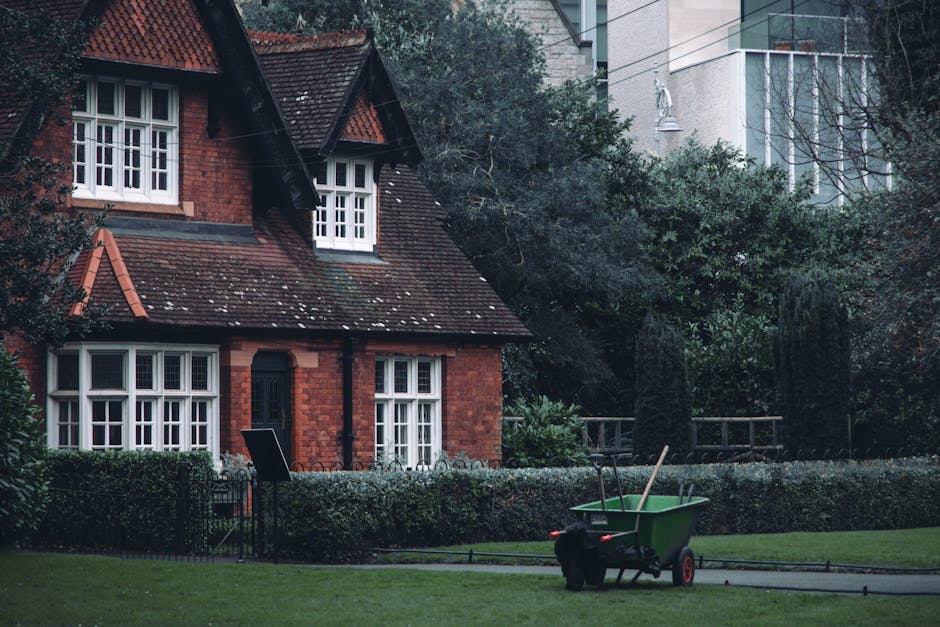
CR8 Garden Maintenance Tips for Victorian Houses on Brighton Road
Victorian houses have a certain charm that modern builds just can't fake: tall sash windows, narrow paths, decorative brickwork, and gardens that often feel tucked in behind the home rather than built around it. On Brighton Road in CR8, those features can create a lovely outdoor space, but they also bring a few maintenance headaches. Borders get crowded, old walls need gentle care, hedges grow out of shape faster than you expect, and lawn areas can be tricky where shade or roots dominate.
This guide pulls together practical CR8 garden maintenance tips for Victorian houses on Brighton Road so you can keep the garden tidy, healthy, and suited to the house itself. Whether you want to improve kerb appeal, protect older materials, or simply stop the garden from becoming a weekend chore that never ends, you'll find a clear, grounded approach here. Nothing overblown. Just the kind of advice that helps a real garden behave itself.
And yes, a Victorian garden can absolutely be both beautiful and manageable. It just needs the right rhythm.
Table of Contents
- Why this type of garden maintenance matters
- How maintenance works on Victorian homes
- Key benefits and practical advantages
- Who this is for and when it makes sense
- Step-by-step guidance
- Expert tips for better results
- Common mistakes to avoid
- Tools, resources and recommendations
- Law, compliance, standards and best practice
- Options, methods and comparison table
- Case study or real-world example
- Practical checklist
- Conclusion
- Frequently asked questions
Why CR8 garden maintenance tips for Victorian houses on Brighton Road Matters
Victorian properties often come with long-standing garden layouts, mature planting, and some awkward little features that need more thought than a standard post-war plot. Brighton Road, with its mix of front gardens, rear spaces, boundary walls, and access paths, tends to reward regular care rather than big occasional clear-outs. Let the garden drift for too long and the whole frontage can start to look tired, even if the house itself is well kept.
Why does this matter so much? Because gardens attached to Victorian houses usually do more than look decorative. They shape first impressions, affect drainage around older structures, and can even influence how much light reaches the property. A hedge left unchecked can swallow a bay window. Ivy on an old wall may look romantic at first, then suddenly become one more thing to worry about. Truth be told, the garden and the house are a package deal.
There is also the practical side. Older houses often have narrower side access, more established roots, and less forgiving surfaces. A maintenance approach that works on a newer estate can be clumsy here. You need softer pruning, smarter lawn care, careful clearance, and a realistic seasonal plan. That is the difference between a garden that settles into the house and one that fights it all year.
If you're already thinking in terms of support, it can help to look at a broader garden maintenance service or the wider services overview so the work matches the property rather than just the task list.
Expert summary: Victorian gardens on Brighton Road usually do best with regular, measured maintenance. Think less "big annual rescue" and more "steady, sensible upkeep that respects older features".
How CR8 garden maintenance tips for Victorian houses on Brighton Road Works
The basic idea is simple: understand the structure of the garden first, then maintain it in a way that protects the house and keeps growth under control. Victorian gardens often have layers. You might have a front boundary hedge, a narrow path, a small lawn, mature shrubs, a few shade-dominated corners, and perhaps an old patio or decking area that has seen better days.
Maintenance works best when you treat each of those areas separately. Lawn care is not hedge care. Hedge care is not border care. And the plants under a mature tree? Well, they'll have their own little agenda, won't they?
In practice, this means:
- checking how sunlight moves through the garden across the day
- cutting back growth without stripping away shelter or privacy
- keeping paths, steps, and entry points safe and clear
- managing leaf fall, moss, and damp build-up
- protecting old brick, stone, timber, and mortar from unnecessary stress
It also means being honest about what the garden can support. Some Victorian plots are perfect for lush planting. Others are better with restrained beds, hardier shrubs, and a simpler mowing pattern. Let's face it, not every corner wants to be a flower show.
For homes where the garden has become overgrown or cluttered, a targeted garden clearance can be the first sensible step before regular upkeep begins again. If overgrown hedging is the main problem, then hedge trimming is often the fastest way to restore shape and light.
Key Benefits and Practical Advantages
Good maintenance does more than make a garden look neat. On a Victorian property, it can improve how the whole house feels, inside and out. You notice this especially on dull mornings or late afternoons when the front garden is the first thing you see stepping out of the house. If it feels orderly, the whole property seems calmer.
- Better kerb appeal: A tidy frontage suits the symmetry and character of Victorian architecture.
- Healthier planting: Proper pruning and feeding reduce stress on shrubs, climbers, and perennials.
- Safer access: Clear paths and steps reduce the risk of trips, slips, and awkward manoeuvring.
- Less moisture damage: Controlling overgrowth helps improve airflow around older masonry and timber.
- More usable space: Even a compact Brighton Road garden can feel bigger with clear edges and balanced planting.
- Lower long-term effort: Small, regular jobs are easier than one exhausting overhaul every few months.
There is also a quieter benefit that people often miss: a well-maintained Victorian garden tends to make better use of light. Older houses can already feel a bit enclosed. If trees, climbers, and hedges are managed well, rooms look brighter and the garden itself feels less boxed in.
If you're comparing broader options, a mix of lawn mowing, selective planting care, and occasional landscape gardening can sometimes deliver more value than a single cosmetic visit. That depends on the garden, of course, but the principle is sound.
Who This Is For and When It Makes Sense
This approach is especially useful if you own or manage a Victorian home on Brighton Road and the garden has any of the following characteristics: mature shrubs, narrow access, shaded beds, old paving, boundary hedges, climbing plants, or a lawn that struggles in patchy light. In other words, quite a lot of Victorian gardens, really.
It also makes sense if:
- you want the house front to look cared for without over-styling it
- you've inherited a garden that has grown beyond its original design
- you're preparing to sell or rent and want the exterior to feel welcoming
- you need ongoing help rather than one-off emergency work
- you want to protect older features like walls, steps, timber edging, and fences
Some residents on Brighton Road will only need occasional seasonal attention. Others will need regular visits because the garden grows quickly or because the front and rear spaces are working hard. A small patch of lawn may look easy until you realise the edges, borders, and hedges are demanding just as much attention as the grass itself.
If you're unsure where your garden sits on that spectrum, it may be worth checking a trusted provider's about us page for their approach to local maintenance and seeing whether their working style feels aligned with your property's needs. That sounds obvious, but honestly, it saves a lot of back-and-forth later.
Step-by-Step Guidance
Below is a practical way to approach maintenance without getting swamped. It's not fancy. It just works.
1. Start with a full garden walk-through
Look at the garden as a whole. Which areas are shaded? Which parts are soggy after rain? Where do branches scrape walls or windows? Where do weeds keep returning? Victorian gardens often reveal their problems in small clues before they become obvious. A damp smell near a path, for example, can suggest poor drainage or a build-up of leaf litter.
2. Clear the obvious blockages first
Remove dead material, dropped branches, old pots, broken canes, and anything blocking access. This gives you breathing room and makes the rest of the job easier. If the garden has been neglected for a while, start here before touching the finer detail.
3. Tackle hedges, shrubs, and climbers in the right order
Trim hedges back to a manageable outline, then shape shrubs carefully. Climbers on old brick should be inspected before cutting; don't just rip everything away in one go. Some climbers are supporting themselves on the structure, and a heavy-handed cut can leave a messy patch or damage older surfaces.
4. Sort the lawn, if there is one
On a Victorian property, lawns are often smaller and more visible than in newer builds. That means every edge matters. Keep the mow line consistent, reduce that "forgotten corner" look, and avoid cutting too low in dry spells or on stressed grass. If the lawn is tired, patchy, or shaded, a more measured approach will help. Sometimes less is more. Annoying, but true.
5. Refresh the borders
Clear weeds, dead stems, and overcrowded plants. Re-establish the shape of the beds so they don't blur into the path or lawn. Victorian gardens often look best when borders are tidy but not sterile; you want structure with a bit of softness.
6. Check hard landscaping
Paths, patios, steps, edging, and boundaries are not just background features. They carry the daily wear. Look for loose slabs, slippery moss, cracked joints, and water pooling. If timber features are part of the garden, such as a decked area or raised edge, inspect them for movement or rot and deal with problems early. A useful place to start, if needed, is decking services.
7. Finish with a clean-up and seasonal reset
Collect clippings, sweep paths, and remove waste properly. Then step back and check the shape from the house. This is the bit people skip, and it matters. Gardens read differently from the window than they do at ground level.
For ongoing upkeep, you can combine this with regular lawn mowing and structured garden maintenance so the garden stays in shape rather than drifting back into chaos. Which, to be fair, gardens are quite good at if ignored.
Expert Tips for Better Results
Victorian gardens reward careful judgement. A few small habits make a real difference.
- Trim for light, not just neatness. On Brighton Road, many properties benefit from opening up the front garden a little so the house feels brighter and more inviting.
- Keep the original rhythm of the space. If the garden has long beds, a central path, or symmetrical borders, work with that structure rather than redesigning everything on a whim.
- Prune gradually. Big cuts can expose bare stems, weaken plants, or leave awkward gaps.
- Respect old brick and mortar. Aggressive climber removal, pressure-heavy cleaning, and over-enthusiastic digging near walls can do more harm than good.
- Watch root competition. Mature trees and shrubs steal water and nutrients, which is often why lawn patches fail near older properties.
- Use mulch carefully. A sensible layer helps retain moisture and suppress weeds, but don't pile it against trunks or stems.
If you have to choose between perfect and maintained, choose maintained. A garden that is gently cared for every few weeks usually looks better than one that gets a heroic overhaul twice a year. It also feels less stressful. There's a lot to be said for not waiting until everything becomes a Saturday disaster.
And if the layout itself is awkward, a bit of landscaping can make future maintenance easier by improving access, drainage, and planting structure. Good design pays for itself in reduced effort. Not glamorous, but very real.
Common Mistakes to Avoid
Some mistakes are small in the moment and annoying for months afterwards. Victorian gardens are particularly sensitive to them.
- Cutting back too hard. Hedges and shrubs often need shaping, not stripping.
- Ignoring drainage issues. Puddles, compacted soil, and blocked channels can damage both garden and building fabric.
- Letting climbers take over. A little charm becomes a lot of maintenance very quickly.
- Mowing too low. Especially risky in shaded or dry areas.
- Leaving clearance until it's urgent. Once access is blocked, every task becomes harder.
- Using the wrong approach on old materials. Victorian surfaces usually need a gentler touch than modern concrete or composite finishes.
- Forgetting seasonal timing. Some plants should be cut at the right time of year, not simply when the garden looks untidy.
A common one, oddly enough, is overworking the front garden and neglecting the rear. People see the front from the pavement and the back only when they have time. But both matter. The back garden is where damp, weeds, and clutter can quietly build up and become a bigger job later on.
Tools, Resources and Recommendations
You do not need a shed full of specialist kit to maintain a Victorian garden well. A modest set of reliable tools, used regularly, will usually outperform expensive gadgets that sit forgotten under a tarp.
| Tool or resource | Best use | Why it helps on Victorian properties |
|---|---|---|
| Hand pruners | Small stems, deadheading, fine shaping | Safer and more controlled around mature planting |
| Long-handled loppers | Thicker branches and awkward reaches | Useful where access is narrow or plants sit close to walls |
| Hedge trimmer | Regular hedge shaping | Keeps boundary lines neat without overcomplicating the job |
| Leaf rake and broom | Seasonal clean-up | Helps keep paths and steps clear of wet debris |
| Spade and border fork | Weeding and bed refresh | Good for compact beds and mature root zones |
| Mulch or compost | Soil protection and feeding | Supports plant health where soil is tired or dry |
If you'd rather not manage the maintenance piecemeal, a scheduled service can be more practical. That's especially true if you want hedges, lawns, and borders handled in a coordinated way. You can also check a provider's pricing and quotes information when planning your budget, and review recycling and sustainability if waste disposal and greener practices matter to you.
For larger or more awkward jobs, it's worth knowing that some tasks are better handled as part of a broader tidy-up. If the garden has become packed with old growth, broken items, and years of build-up, a structured clearance followed by maintenance is usually the smoother route.
Law, Compliance, Standards, or Best Practice
For most homeowners, garden maintenance is mainly about good practice rather than complex rules. Still, there are a few sensible points to keep in mind.
First, if trees or large branches are involved, be cautious. Cutting major growth without understanding what sits near walls, roofs, fences, or utilities can create unnecessary risk. When in doubt, seek experienced help, especially where a tree has become too large for the space or shows signs of instability. That is where a service such as tree lopping and removal may be relevant, but only when the work genuinely needs it.
Second, garden work should be carried out safely and with respect for neighbouring properties. Strimmers, ladders, and cutting tools all bring risk if used carelessly. Responsible contractors should have sensible procedures, appropriate insurance, and a clear approach to safe working. If you're hiring anyone, looking at their insurance and safety information is just plain sensible.
Third, waste should be handled properly. Green waste, branches, and clearance material should not be dumped casually. Reputable gardening work usually includes proper removal or recycling, and that sits comfortably alongside broader good practice. If a company explains its standards clearly, that tends to be a good sign. You can also review a provider's health and safety policy and terms and conditions if you want a clearer picture of how they work.
None of this is about being alarmist. It's just about doing the job properly and not creating a problem where there wasn't one to begin with.
Options, Methods, or Comparison Table
There isn't one single way to maintain a Victorian garden well. The right choice depends on time, condition, and how much you want to do yourself. Here's a simple comparison.
| Method | Best for | Pros | Trade-offs |
|---|---|---|---|
| DIY upkeep | Small, tidy gardens with light growth | Low cost, flexible timing, hands-on control | Takes time, easy to let things slide |
| Occasional professional tidy-up | Seasonal reset or one-off catch-up | Fast results, less physical effort | Needs repeating to stay effective |
| Planned maintenance schedule | Gardens that need regular shaping | Consistent, reliable, easier to budget | Requires commitment and coordination |
| Maintenance plus landscaping updates | Gardens with poor layout or access | Can reduce future workload and improve flow | Higher upfront effort |
For many Brighton Road Victorian homes, the sweet spot is somewhere between regular maintenance and selective improvements. Not a full redesign. Not endless DIY firefighting either. Just a plan that suits the property.
Case Study or Real-World Example
Picture a typical Victorian terrace or semi on Brighton Road. The front garden is small, but the hedge has grown higher than the windowsill. The path has gone slippery with moss after a wet spell. In the back, a couple of shrubs are crowding the borders, and the lawn only gets a few hours of sun before the house and neighbouring trees shade it out.
In that sort of garden, the most effective first pass is rarely dramatic. You'd clear debris, reduce the hedge to a sensible height, open up the path edges, and cut back the plants that are stealing light or pressing against walls. The lawn might not become perfect straight away, but it will start looking less tired once the edges are defined and the competition is reduced.
After that, a simple routine can keep it stable: light trimming every few weeks in growing season, lawn care as needed, and a bigger tidy-up at the start and end of the season. One homeowner might only need that. Another might want more detailed support, especially if there's an old deck, awkward side access, or a mature tree nearby. Gardens vary more than people think. They really do.
What tends to stand out in these situations is how quickly the property feels different once the frontage is under control. The house looks cared for again. The path feels safer. The garden stops demanding attention every time you walk past the window. That shift is smaller than a renovation, but it matters just as much day to day.
Practical Checklist
Use this as a seasonal or monthly check for Victorian houses on Brighton Road.
- Trim hedges before they block light or access
- Check paths, steps, and entrances for moss or trip hazards
- Clear dead leaves and debris from borders and corners
- Inspect climbers and shrubs near brickwork and windows
- Mow lawns at a sensible height, not too low
- Re-edge beds so they stay visually sharp
- Look for signs of poor drainage or standing water
- Remove overgrowth before it becomes a clearance job
- Keep an eye on waste disposal and recycling
- Review whether the garden needs maintenance, landscaping, or both
If the list feels a bit long, that's normal. Older gardens ask for more judgement. The good news is that once you have a routine, it becomes far easier to stay ahead of things.
Conclusion
Victorian houses on Brighton Road deserve garden care that respects their character rather than fighting it. The best CR8 garden maintenance tips for Victorian houses on Brighton Road are the practical ones: keep growth balanced, protect older materials, open up light where you can, and don't let small problems snowball into bigger, messier jobs.
Whether your garden needs regular mowing, hedge work, a tidy clearance, or a more thoughtful redesign, the goal is the same: a space that feels calm, usable, and suited to the house. That is what makes a Victorian garden work. Not perfection. Not constant effort. Just steady, sensible care.
If you want help getting that balance right, take a look at the service options, compare what fits your property, and choose the approach that makes everyday life easier.
Get a free quote today and see how much you can save.
Frequently Asked Questions
How often should a Victorian garden on Brighton Road be maintained?
Most Victorian gardens do best with light, regular upkeep rather than infrequent major work. In growing season, that may mean checking it every couple of weeks, then reducing the frequency in winter.
What is the biggest maintenance issue in Victorian gardens?
Overgrowth is usually the main problem, especially hedges, shrubs, and climbers close to walls or paths. Shade and poor drainage are close behind.
Should I cut back mature hedges hard or lightly?
Usually lightly, unless a hedge is severely out of shape and genuinely needs a staged reduction. Heavy cuts can leave gaps or stress the plant, so a gradual approach is often safer.
Can a small Victorian front garden still make a big difference to kerb appeal?
Absolutely. On a Victorian house, the front garden is part of the property's character. Clean edges, well-shaped hedges, and clear access can change the whole look very quickly.
What if my lawn is mostly shade and struggling?
That is common with older houses. A shaded lawn may need a different mowing routine, better aeration, or a rethink of what should grow there. Sometimes a smaller lawn with improved borders works better.
Is garden clearance the same as regular maintenance?
No. Clearance is usually for overgrown or cluttered gardens that need a reset. Maintenance is the ongoing work that keeps the space under control afterwards.
Do Victorian gardens need special care around brickwork?
Yes, in practice they do. Old brick and mortar can be more vulnerable to aggressive pruning, root pressure, moisture build-up, and careless climber removal.
What are the signs that my garden needs professional help?
If the hedge blocks light, the path is slippery, access is awkward, or the garden feels too overwhelming to catch up with, it may be time for support. That's usually the point where a planned service saves time and stress.
Can landscaping make maintenance easier long term?
Yes. Better layout, improved drainage, and clearer bed shapes can reduce the amount of ongoing effort needed. It doesn't have to be a full redesign either.
How do I choose between mowing, trimming, and full garden maintenance?
If the issue is mainly grass, lawn mowing may be enough. If hedges are the problem, trimming is the priority. If the whole garden is slipping, a fuller maintenance plan is usually the better option.
Is it worth scheduling seasonal garden work?
For most Victorian homes, yes. Seasonal maintenance stops small jobs from building up and makes the garden easier to manage all year, especially after wet autumns or fast spring growth.
What should I ask before booking a garden service?
Ask what's included, how waste is handled, whether safety and insurance are covered, and whether the work is one-off or ongoing. Clear answers are a good sign.
If you are weighing up next steps, start with the problem that bothers you most and build from there. That's usually the cleanest way forward, and the least stressful one too.